
Acne 101
How to Treat a Pimple Fast (Without Going Overboard)
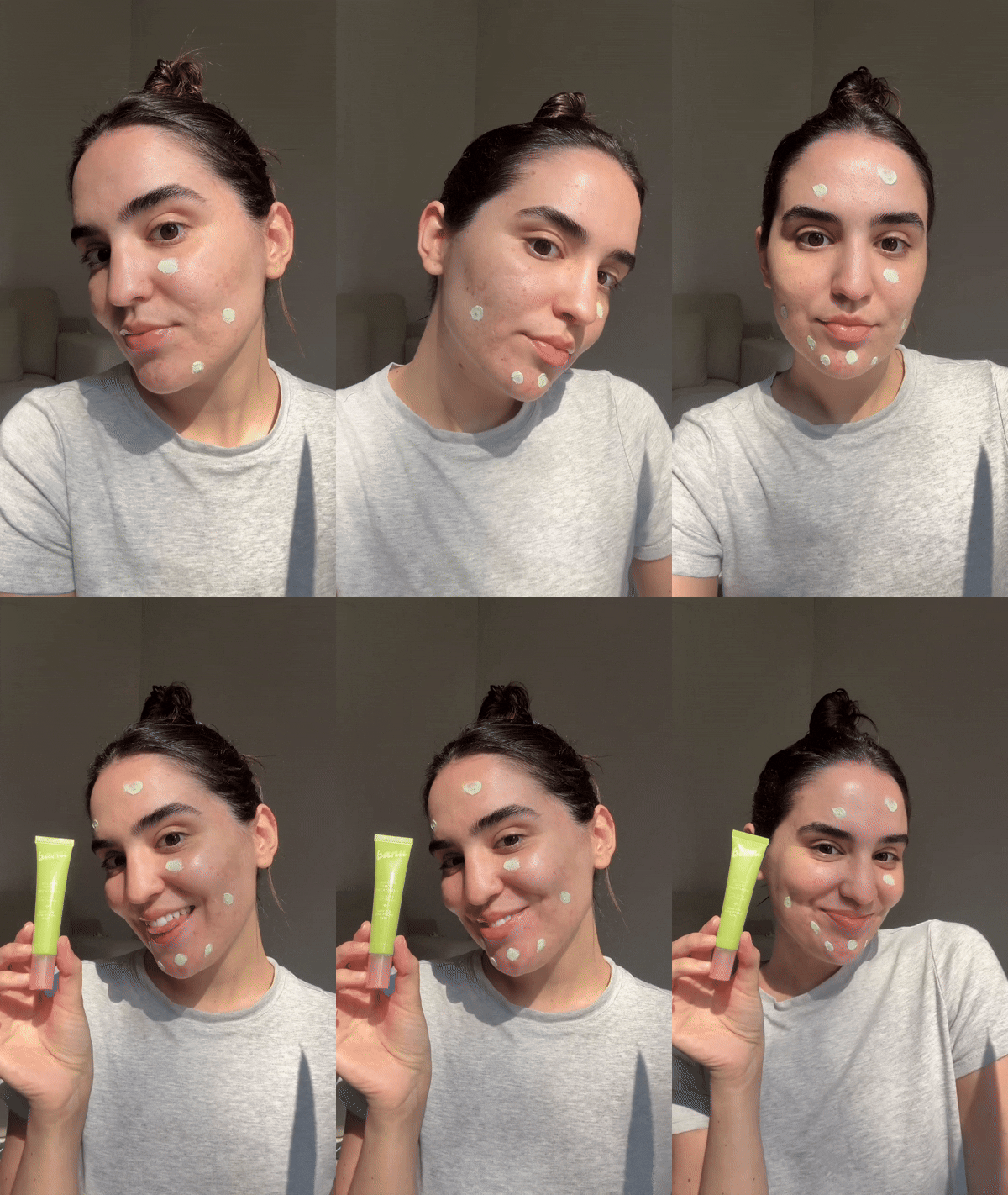
You’ve got something big coming up...and boom. A pimple. Truly never a good time for them to pop up, unless of course you're dying to get some use out of a new pack of pimple patches. Whether it’s a whitehead, something deeper, or full-on severe acne, breakouts happen. It’s a common skin condition — and yes, there are ways to manage it fast without going overboard. Let’s break it down: why pimples pop up, how to treat them quickly, and what to skip so you don’t make it worse.


-
Holiday Breakouts Are Predictable — Here's the Data Behind Why and What to Do
There's a kind of breakout that shows up around the holidays that just feels different. Not intense. Your skin isn't spiraling — it's just not bouncing back the way it normally does. That usually means something shifted — sleep got shorter, travel picked up, or stress crept in or even your products got heavier. When enough of that overlaps, skin reacts. And once you see that pattern, it gets a lot easier to figure out what actually helps.
ReadRead more -
Acne & Mental Health: The Overlooked Connection
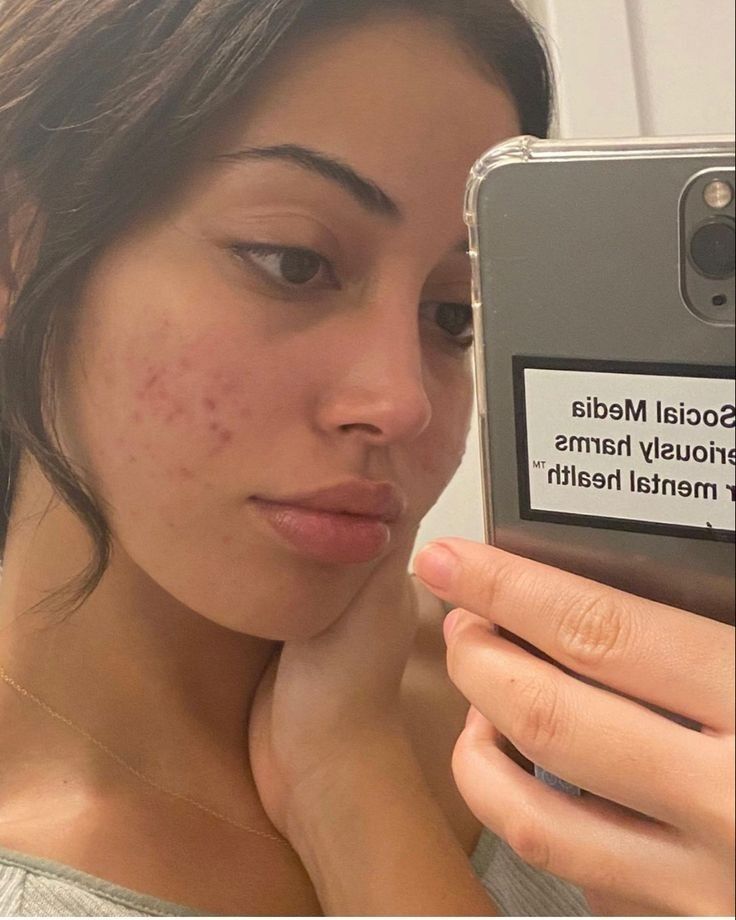
Image Credit: Instagram Acne can make people feel self-conscious — when you get a breakout it can totally change how you feel about being around people. Acne can make you feel different when you are in a room, with others. We do not talk about this enough. Our skin and mental health are really connected. They are not two things that we struggle with they are actually connected in a big way. When we have acne it can affect how we feel inside.. How we feel inside can also affect our skin. Our skin and mental health kind of work together and one can change the other even if it happens slowly over time. Our skin and mental health are connected in a way that's, like a circle, where one thing affects the other and then that thing affects the first thing again like our skin and mental health. Living with acne really affects how you go about your life. It makes you think about how you look all the time. You become more careful when you are, around people. You start to notice all the things that're wrong with your body. This is very tiring. When your skin is clear you still worry that acne will come back. You are always waiting for the time you get a pimple. Acne makes you feel like this all the time. The stress that people feel is not something that is, in their mind. The stress is also something that they can feel in their body. When you get really stressed out your cortisol levels go up. Cortisol is a deal for your skin because it affects how inflamed it gets how much oil it produces and how fast it heals. So basically the stress that acne gives you can actually make your skin take longer to get better. It is not because you are doing anything but because your body is just reacting to the stress in the only way it can. Your skin and acne are really sensitive, to cortisol. That is why it is so important to think about cortisol when you think about acne. This is the point where the loop really gets tighter. The loop is getting smaller and smaller it is really tightening up now the loop is becoming very tight. Breakouts cause people a lot of stress. This stress then makes the breakouts even worse. Sometimes people are advised to calm down as if being calm was something you could easily do.. When your skin is being really stubborn it is not that easy to relax. Breakouts make people feel really stressed. This stress makes the breakouts worse. What people often forget is that this problem is not about being strong willed or thinking thoughts. It is about how much stress your nervous system's under. It is about how long your body has been on alert. It is, about how times you have tried to fix your skin without giving your skin the time it needs to heal. Your skin needs time to recover from all the things you have done to it. That is why treating acne as a skin problem does not work for a long time.. That is why getting better often means the acne is not completely gone but it is under control, with acne. When we take care of our health our skin usually gets better. This happens when we get rest set boundaries for ourselves and stick to a routine that does not change too much. We also need to avoid doing things that're too extreme. Our skin does not get better away. It does not get better perfectly.. It gets better over time. The redness and swelling in our skin start to go. Our skin heals faster. It also reacts less to things that normally bother it. Mental health is important, for our skin. When mental health is supported through rest and boundaries and predictable routines and fewer extremes our skin often responds to this. This is also the case the way around. When skincare is helpful and does not feel harsh when the products do not dry out your skin or cause pain or require you to be doing something to your skin the body feels better. You stop waiting for your skin to react badly.. This change, in skincare is more important than it seems. Skincare that is supportive makes a difference. This does not mean that acne is all, in your head.. It does not mean that your mindset alone can make your skin clear. It means that your skin and your mental health are talking to each other whether you think about it or not. Your skin and your mental health have a connection. This connection is always there even if you do not realize it. Your skin and your mental health are connected in a way that affects each other. Real progress happens when people respect that relationship. It is very important that we respect the relationship. When we do that real progress can happen with the relationship. These routines seem to be good for acne because they take care of the skin barrier. They do not hurt the skin barrier. It is like being consistent but not too strict. It is like giving your skin the time it needs and being kind to yourself, at the time. Giving your skin time and giving yourself some grace is a thing to do. At Banu we think that taking care of acne is not about fixing the pimples you can see. It should make things easier for your skin not harder. Because having skin is not just about the things you put on your face. It is about making your skin and your whole body feel safe and calm. Clearer skin is, about creating an environment where your skin and your nervous system do not feel like they are always being bothered. At Banu we believe that acne care should help your skin and your nervous system feel better that is why we do what we do at Banu. Acne may show up on the surface, but it doesn’t live there alone. And neither does healing.
ReadRead more -
How to Know If Your Skincare Routine Is Actually Working (and What to Do If It's Not)
Skincare routines are supposed to make things simpler. They promise clearer skin, fewer surprises, and a sense that you're doing something supportive — especially when breakouts feel unpredictable. We build them carefully: a cleanser we trust, a treatment we stick with, a rhythm we hope will carry us forward if we stay consistent.
ReadRead more


Latest Blog Posts
“Eventually, I realized the hard truth: there’s no real industry standard for what makes a product acne-safe”
Read the article-
 read more
Acne 101
Body Breakouts Are Definitely a Thing — Here’s How to Manage
Let’s talk about body acne — aka bacne, chest acne, shoulder zits, the whole crew. It shows up without warning, overstays its welcome, and doesn’t care that you have a strappy dress to wear Friday. It’s common, it’s manageable, and it doesn’t mean you’re doing anything wrong.
-
 read more
Acne 101
Why You’re Still Getting Breakouts as an Adult
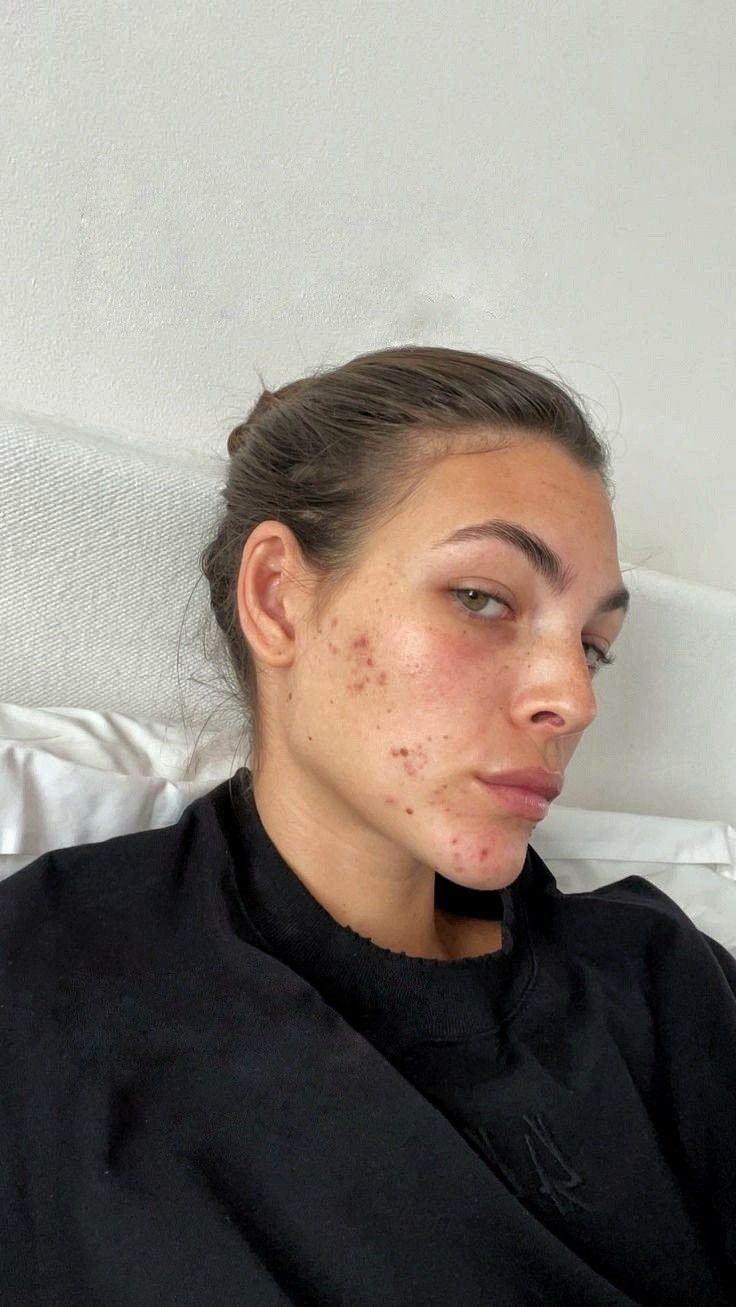
Your skin grew up. Your zits didn’t. Thought you’d graduate high school and leave breakouts behind? Same. But adult acne didn’t get the memo. It’s showing up more than ever—especially for women in their 20s, 30s, even 40s. And while it might look like the teenage stuff, it usually runs deeper, heals slower, and laughs in the face of your old drugstore spot treatment. So what gives? Let’s break down what’s really going on with adult acne, and how to manage it without spiraling.
-
 read more
Acne 101
Is It Acne or Rosacea? Let’s Break It Down
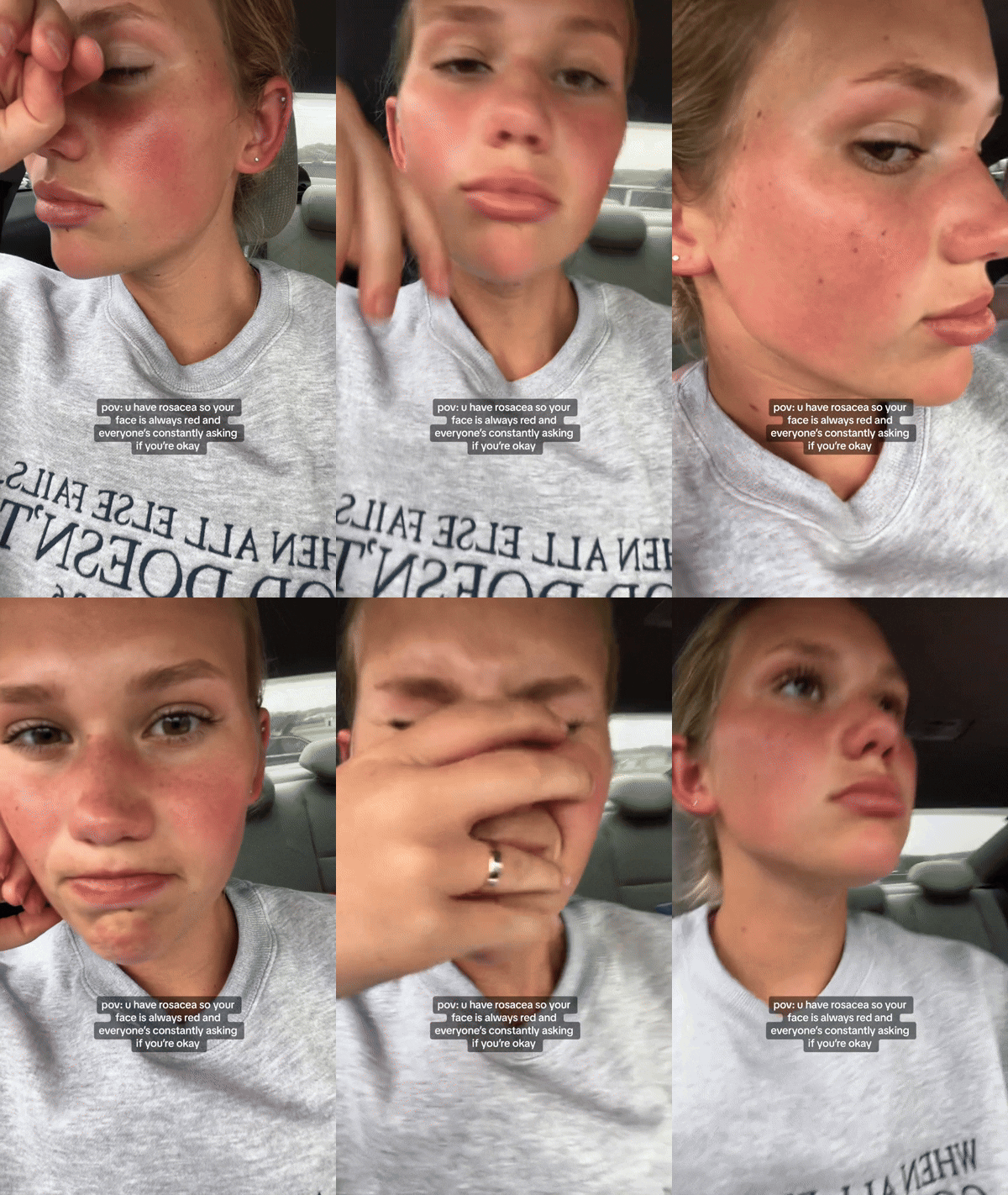
You’re breaking out — but something feels…off. It’s red, inflamed, maybe a little itchy. Is it acne? Is it rosacea? Is your skin just mad at you? Here’s a quick guide to help you figure out what’s going on before you start spiraling on Reddit. Not every breakout is actually acne. If your skin’s always flushed, your “zits” never get heads, or you’ve got stubborn cheek bumps that laugh in the face of regular acne treatments, it could be rosacea—a chronic skin thing that loves to masquerade as the real deal. The catch? Treating it like acne can make it worse. Knowing the difference means you can actually calm it down instead of accidentally starting beef with your skin barrier.
-
 read more
Acne 101
Breaking Out or Purging? Here’s How to Tell — and What to Do About It
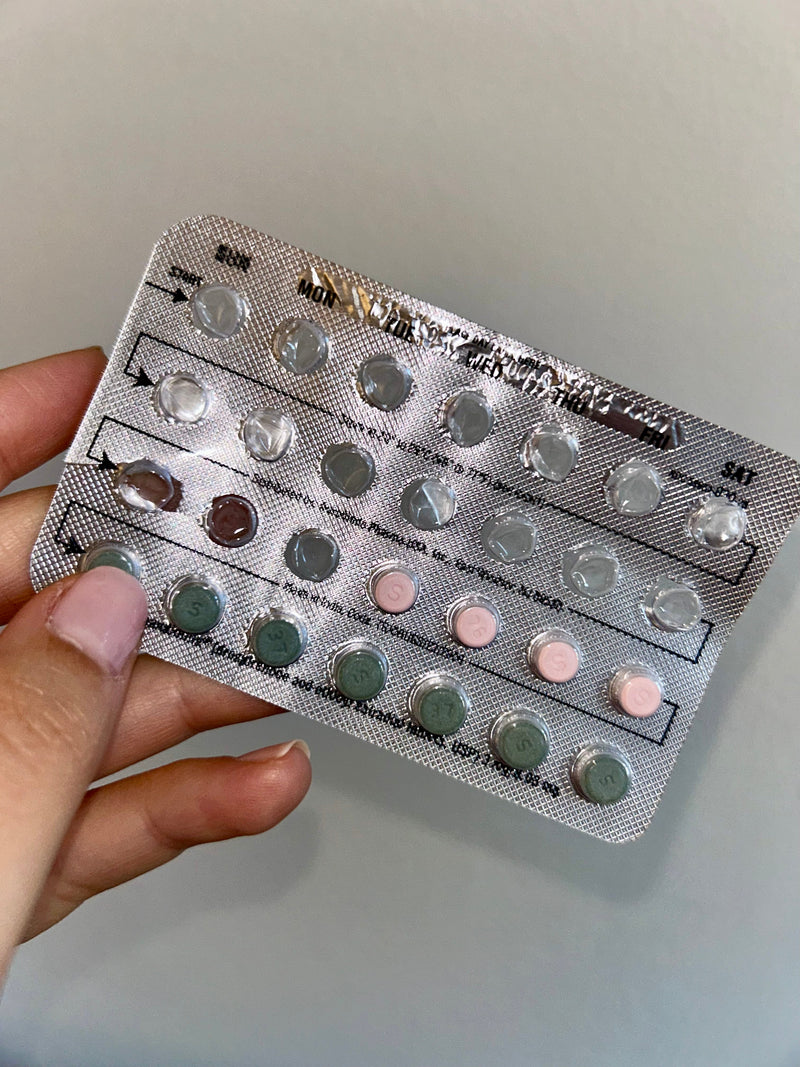
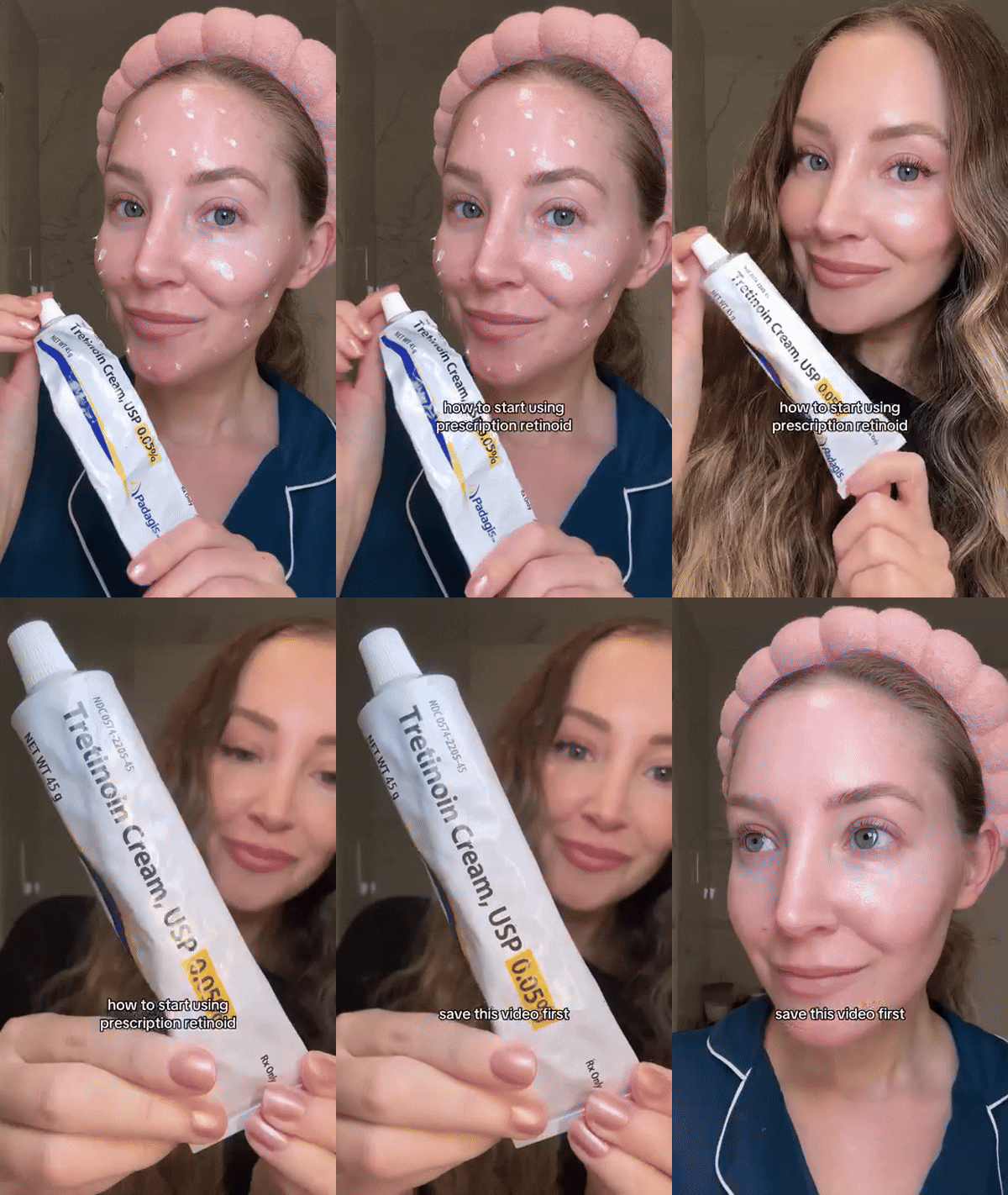
You finally commit to a skincare routine — maybe it's your first dip into a retinoid, or you’re flirting with exfoliating acids — and boom: your face suddenly switches up on you. You’re spiraling. Is it a skin purge? A breakout? Is your barrier about to disown you? Take a breath. This might actually be a good sign. A skin purge happens when actives like retinoids or BHAs speed up cellular turnover and push all the junk (clogged pores, micro-breakouts, bad decisions) to the surface. It’s temporary. It’s annoying. But it can be a turning point if you know how to ride it out.
-
 Read
ReadAcne 101
Cryotherapy for Acne: Is It Worth It? Here’s the Chill Breakdown
Cold plunges. Ice rollers. Cryofacials. The skincare world is deep in its “frozen era,” and cryotherapy has officially entered the acne chat. If you’ve seen videos of skin icing or heard about cryofacials and wondered if there’s any real benefit, here’s what you should know. Cryotherapy won’t replace your acne treatments, but it can definitely support them. The right kind of cold therapy helps calm inflammation, reduce redness, and give your skin a little post-breakout breathing room. Let’s get into how cryotherapy works for acne and where a cryofacial fits into your routine.
-
 read more
Acne 101
Skin Cycling 101: How to Reset Acne-Prone Skin
If your shelf is full of half-used exfoliants and “miracle” products you gave up on, same. Skin cycling offers structure, but in a chill, supportive way that actually respects your skin barrier. This routine keeps things gentle, effective, and sustainable. No more guessing games. It’s not a social media trend. It’s a smarter way to treat acne, support your barrier, and finally get consistent results—especially if your skin is sensitive, acne-prone, or just plain tired. Skin cycling can be adjusted according to your skin type, whether it’s oily, dry, or reactive.